Seed 2026: Design Explores the Future of Humanity in Perugia

From October 14 to 17, Seed. Design Actions for the Future returns with a new edition dedicated to “Humanity”, exploring the relationship between artificial intelligence, architecture, outer space, the environment and new ways of inhabiting the world through a multidisciplinary program featuring internationally renowned architects, designers, scientists and thinkers.
What idea of humanity will shape the cities, homes and landscapes of tomorrow? How will the spaces we inhabit evolve in the age of artificial intelligence, robotics, climate change and the new space race?
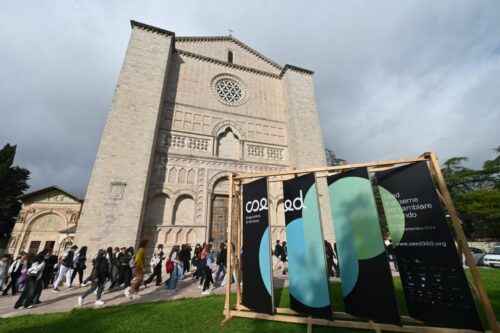
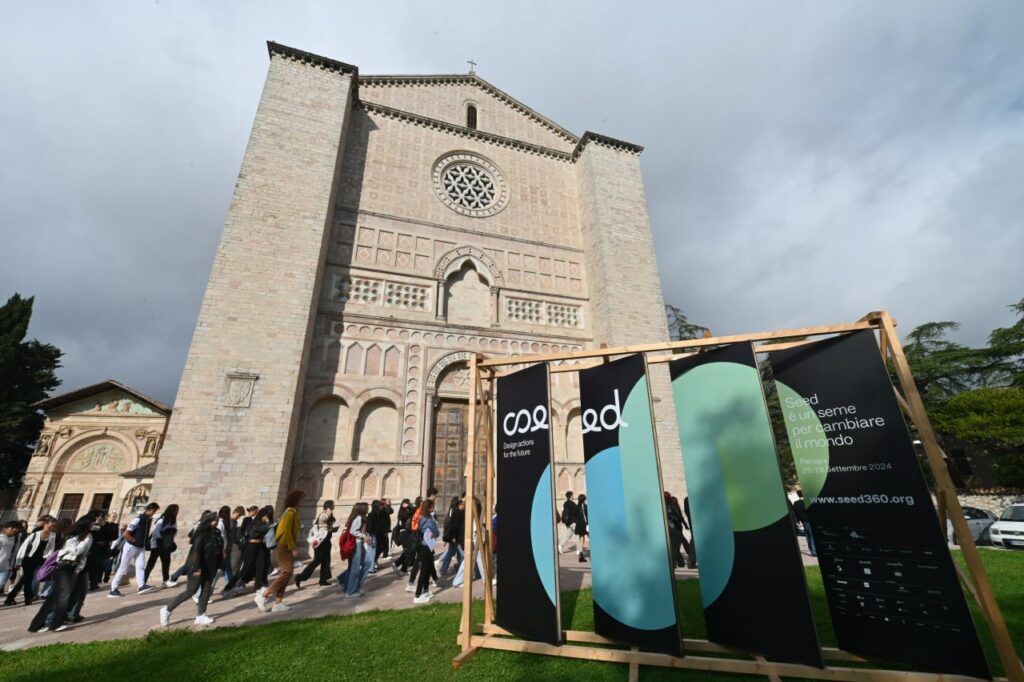
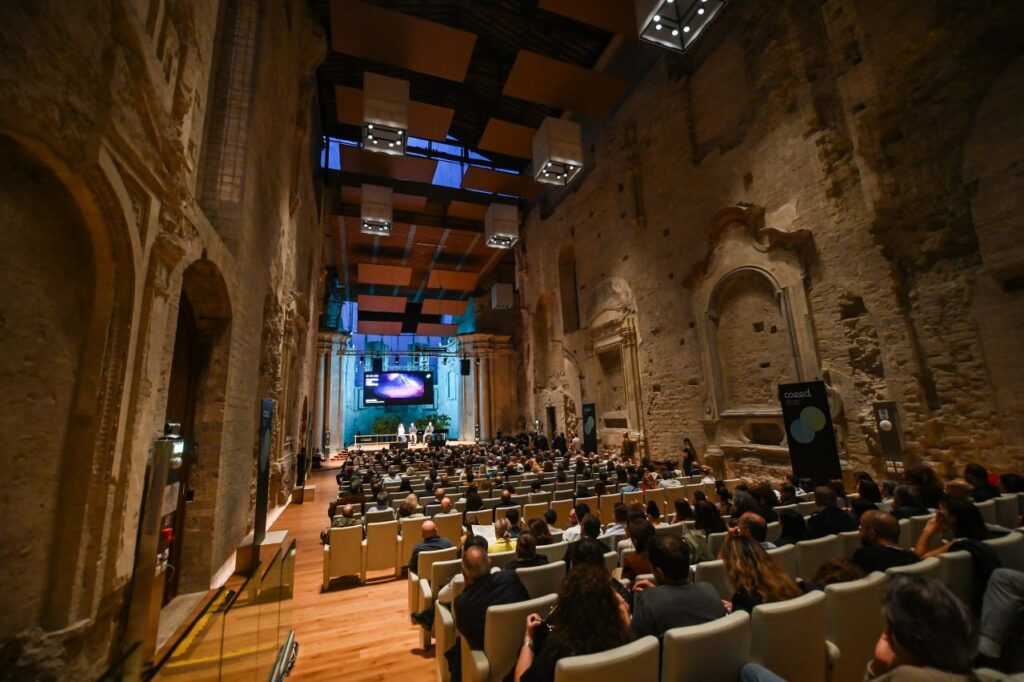
These are among the questions at the heart of Seed. Design Actions for the Future, which returns to Perugia from 14 to 17 October 2026 in the monumental setting of San Francesco al Prato, with an edition entirely dedicated to the theme of Humanity.

More than an architecture and design festival, Seed has established itself as an interdisciplinary platform where design becomes a tool for interpreting the profound transformations shaping contemporary society. In a world increasingly influenced by digital technologies, artificial intelligence, shifting geopolitical balances and the ecological transition, the 2026 edition offers a critical reflection on what it means to be human and on the relationships that connect people with one another, with the environment and with technology.
The programme unfolds through four interconnected research trajectories, each investigating the central role of design in addressing today’s most pressing challenges.
The first, Being Human, explores the increasingly blurred boundary between people and machines. It examines human enhancement, brain-computer interfaces, embodied artificial intelligence, social robotics and the ethical implications of the growing integration between biological and digital dimensions.
With Inhabiting the Planet, Seed shifts its focus to the transformation of living environments, from the scale of the home to cities and global territories. Topics include new models of coexistence between humans, nature and artificial intelligence, climate adaptation strategies, healthcare architecture, digital cultural heritage and new forms of social cohesion.
The third trajectory, Inhabiting Elsewhere, extends the discussion beyond Earth, investigating the role of design in creating extraterrestrial habitats, space infrastructures and systems capable of supporting life in extreme environments. From lunar and Martian settlements to products designed to improve astronauts’ wellbeing, this section explores a field where architecture, engineering and science converge to imagine new ways of living beyond our planet.
Completing the framework is New Dynamics of Power, a research trajectory dedicated to the invisible systems reshaping decision-making processes and redefining the relationship between technology, society and space. In an era in which algorithms, data, neuroscience and artificial intelligence increasingly influence both individual behaviour and collective dynamics, power is progressively shifting from the territorial to the informational sphere. Seed addresses the design and ethical implications of this transformation through topics such as data sovereignty, infocracy, predictive urbanism, surveillance capitalism, algorithmic ethics and the indispensable role of human agency within automated decision-making systems. The result is a reflection on how designers and architects must now engage not only with physical environments, but also with the digital infrastructures that increasingly govern cities and contemporary democracies.
The programme brings together some of the most influential international voices in architecture, design, philosophy, geopolitics and scientific research.
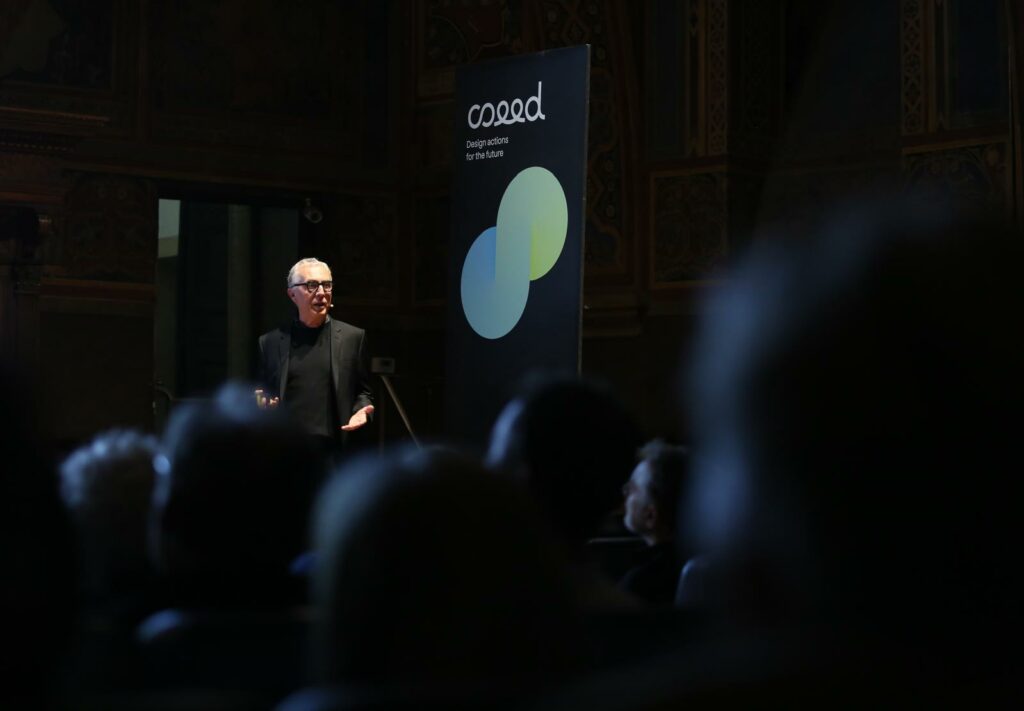
Confirmed speakers include architect Anupama Kundoo, internationally recognised for her research on sustainable architecture, craftsmanship and material innovation; Belinda Tato, Associate Professor in Practice at Harvard Graduate School of Design and co-founder of Ecosistema Urbano; Danish architect Søren Pihlmann, whose work has attracted international attention for its radical approach to adaptive reuse; designer and researcher Annalisa Dominoni, one of the leading experts in Design for Outer Space; sociologist Mauro Magatti; geopolitical analyst Alessandro Aresu; journalist Luca De Biase; and philosopher of science Luisa Damiano, one of the foremost scholars in social robotics.
Alongside lectures and debates, Seed continues to explore the intersection between design, art and performance. Highlights include Build Un-build, Raffaele Salvoldi’s new participatory installation developed with Listone Giordano, which investigates construction and deconstruction as collective cultural acts; Earthphonia, Max Casacci’s acclaimed live performance created entirely from the sounds of nature; and The Woman of the Atomic Bomb, Gabriella Greison’s theatrical performance dedicated to physicist Leona Woods and the ethical dilemmas surrounding scientific research.
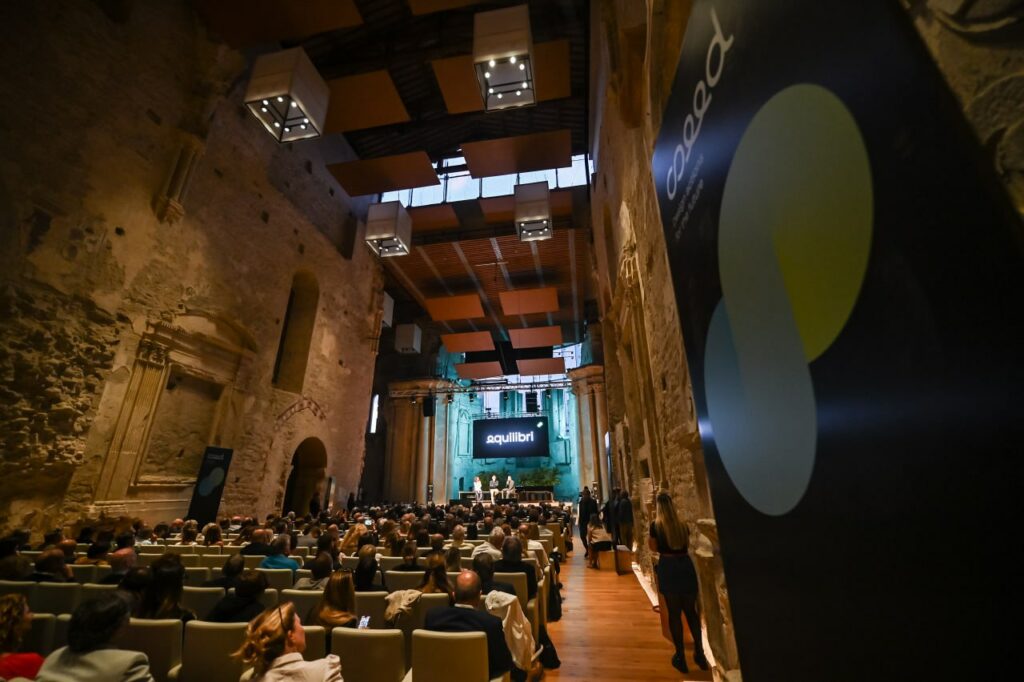
Cultural heritage will also play a central role through Seed Arte, a programme that forms part of the celebrations marking the 800th anniversary of the death of Saint Francis of Assisi. One of its highlights will be the unveiling of the digital twin of the Church of San Francesco al Prato, developed by the Guglielmo Giordano Foundation as a research, conservation and accessibility tool capable of digitally reconstructing lost masterpieces while opening new perspectives on the enhancement of cultural heritage through advanced technologies.ulturale attraverso le tecnologie digitali.
READ ALSO:
With its 2026 edition, Seed further strengthens its role as an international observatory on the future of architecture and design, promoting a multidisciplinary dialogue that goes beyond disciplinary boundaries to question the future of humanity itself—and, consequently, the future of the spaces we will inhabit.